②Stir-Fried Pork Belly & Cabbage with Tenmenjan Miso Sauce (Hoikoro)
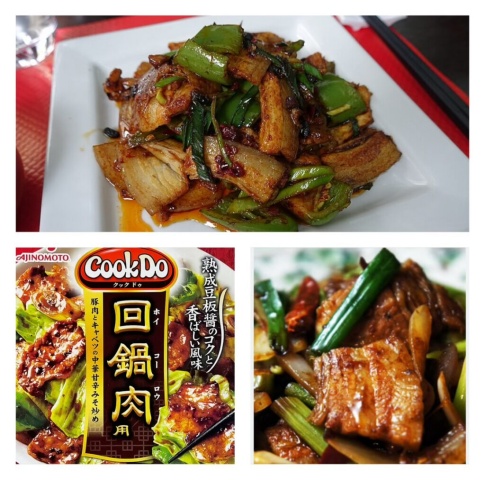
This hearty dish combines tender pork belly and crisp cabbage in a savory-sweet sauce made richer by Tenmenjan.
It’s a great way to enjoy a balanced, satisfying meal with rice.
Don’t skip sautéing the Tenmenjan.
Heating it in the pan brings out its aroma and enhances the depth of flavor.
The name Hoikoro (回鍋肉) literally means twice-cooked pork.
In authentic versions, the pork belly is first boiled to tenderize it, then stir-fried in a hot pan for extra flavor.
This two-step cooking method creates melt-in-your-mouth pork with a rich, layered taste.
If you’re short on time, you can still make a delicious home-style version by slicing the pork belly thinly and stir-frying it directly—it’s quicker, and still full of flavor thanks to the Tenmenjan-based sauce.
To help you try this dish yourself, here are two video tutorials

The first video is by a Japanese chef and includes English subtitles, making it easy to follow.
The second video is from a professional chef. It’s in Japanese, but shows a more authentic preparation style and is worth watching for technique and inspiration.
Quick Home-Style Recipe (one-pan version)
- Season thinly sliced pork belly with salt and pepper.
- Prepare vegetables like cabbage, green bell pepper, and long green onion.
- Stir-fry garlic and vegetables, then remove them from the pan.
- Stir-fry the pork, then add a sauce with Tenmenjan and cook over high heat until slightly caramelized.
- Return the vegetables to the pan and quickly mix everything together.
- Finish with a drizzle of sesame oil for extra aroma.
Both recipes are simple to prepare and perfect for home cooks who want to impress their family with authentic Japanese-Chinese flavors using ingredients readily found at Donki Guam.
As someone living in Guam who enjoys cooking Japanese-Chinese dishes at home, I often struggled to find Tenmenjan.
I checked local supermarkets like Payless and other Asian markets, but Tenmenjan was either unavailable or the quality was questionable.
When I visited Donki for the first time, I naturally looked in the Chinese and Korean seasoning sections and couldn’t find it there either.
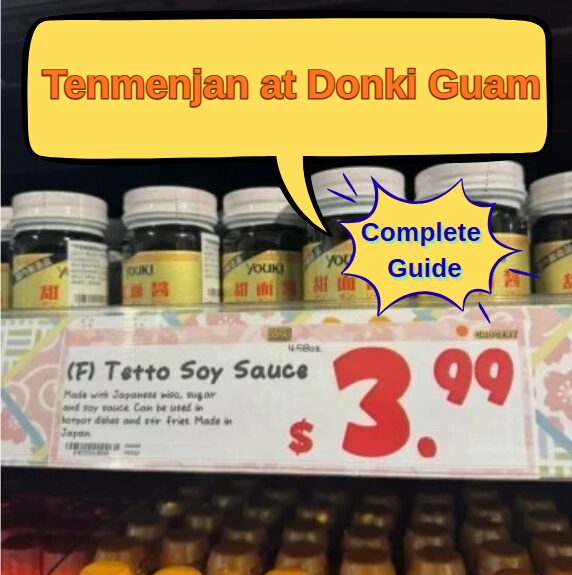
Only after carefully checking the Japanese pasta and seasoning area did I finally discover the YOUKI Tenmenjan bottle.
Because this isn’t obvious, I wanted to write this guide to save others the trouble of searching the wrong aisles. Hopefully, this will help more Guam locals and visitors easily find Tenmenjan and enjoy authentic Japanese-Chinese cooking at home.
Summary – Yes, You Can Find Tenmenjan at Donki Guam
If you’ve been wondering whether Tenmenjan (also known as Sweet Flour Paste or Soybean Paste) is available at Donki Guam, the answer is yes, it definitely is.
To find it, head to the Japanese seasoning aisle, located near the Japanese pasta sauces. Look for the compact YOUKI bottle with Japanese writing on the front and an English sticker that says “Soybean Paste” on the back.
Once you know where it is, picking up Tenmenjan for Mapo Tofu or Hoikoro becomes as easy as grabbing soy sauce or mirin. Be sure to bookmark this guide or share it with friends who love cooking at home—it will save time for anyone searching “Where Tenmenjan Donki Guam” and help them shop smarter at Donki Guam.
FAQ|Tenmenjan at Donki Guam (Common Questions Answered)

Q1. Is Tenmenjan always in stock at Donki Guam?

Not always. Tenmenjan sometimes sells out because Donki only carries one brand (YOUKI). But they restock regularly, so it usually comes back within a few days to a week.
Q2. Where exactly can I find Tenmenjan inside Donki Guam?
Go to the Japanese seasonings aisle, then look for the shelf with Japanese pasta sauces (like mentaiko or carbonara). Tenmenjan is placed on the same shelf, near those sauce packets.
Q3. What does Tenmenjan look like on the label? I can’t read Japanese.
The front is mostly Japanese, but the small English sticker on the back says “Soybean Paste”. If you see a compact YOUKI bottle with that wording, that’s the right item.
Q4. Is the Tenmenjan at Donki the Japanese-style or Chinese-style version?
It’s the Japanese-style Tenmenjan made by YOUKI. It’s miso-based, milder, and a little sweeter than Chinese-style Tianmianjiang, which is made from wheat flour.
Q5. Can I use this Tenmenjan for Mapo Tofu?
Yes, it’s perfect for Japanese-style Mapo Tofu. It makes the flavor milder and slightly sweet. If you like it spicy, just add extra chili paste or doubanjiang.
Q6. Besides Mapo Tofu, what dishes can I make with Tenmenjan?
It works great in Hoikoro (pork & cabbage stir-fry), beef stir-fries, and even as a base for sweet miso-style sauce for grilled meat or vegetables.
Q7. If Tenmenjan is sold out, is there any substitute I can use?
You can mix miso + a little sugar + soy sauce as a temporary substitute. The flavor won’t be exactly the same, but it’s close enough for stir-fries and home-style dishes.
Q8. How long does Tenmenjan last, and how should I store it after opening?
Unopened, it usually lasts 8–12 months. After opening, keep it refrigerated, with the cap closed tightly. For the best flavor, try to use it within a few months.
Bonus: How to Ask Donki Staff for Tenmenjan
If you still can’t find Tenmenjan, here’s a simple phrase you can use when asking a staff member
Excuse me, where can I find tenmenjan (sweet flour paste)?
Hi, could you tell me where the tenmenjan is located?
I’m looking for tenmenjan. It’s a sweet soybean paste used for stir-fries. Which aisle is it in?
About the Author – JUN